
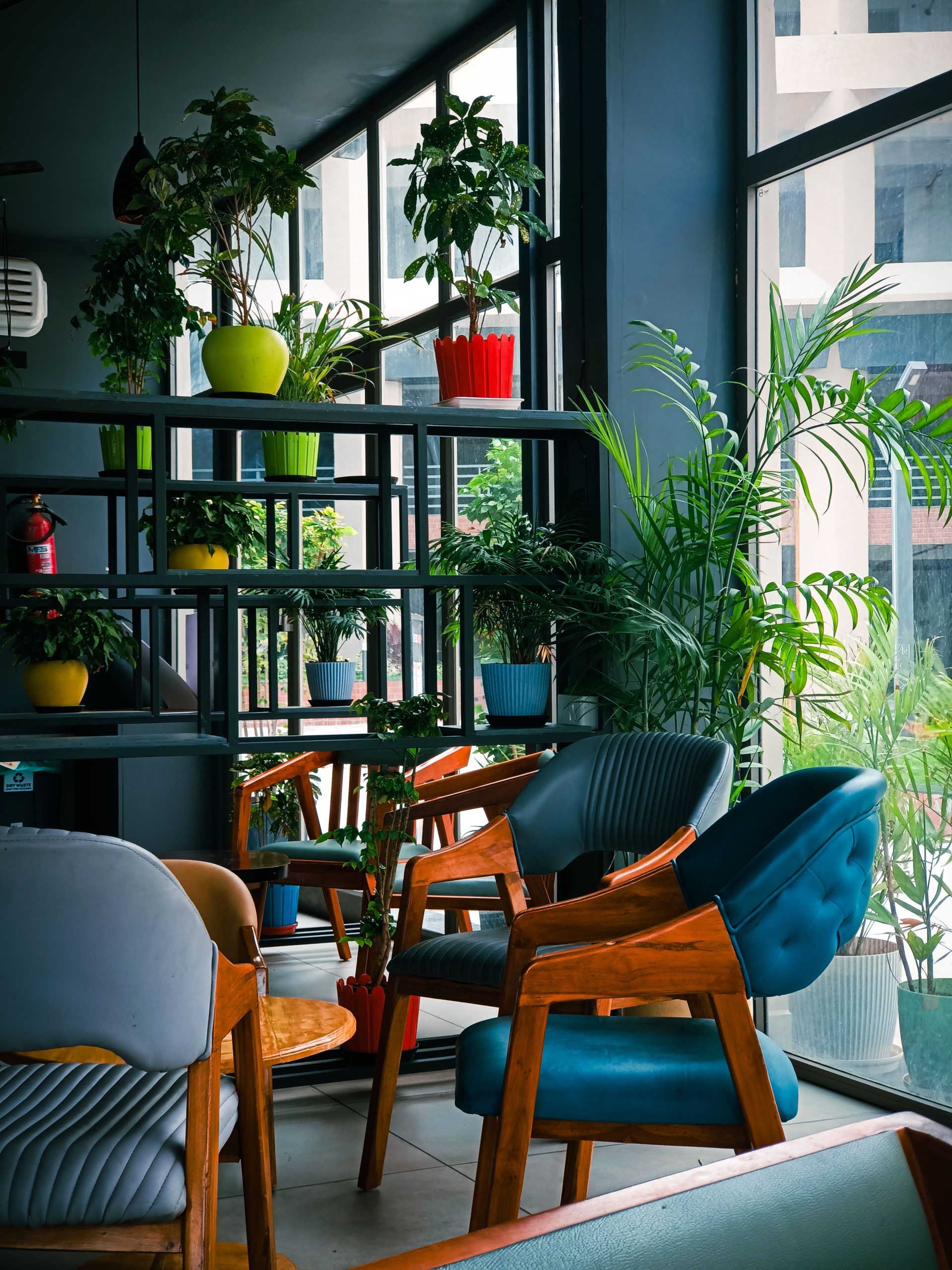
Interior design has always traded on emotional resonance. Architecture, light, tactile balance, pedigree—these elements cultivate spaces that feel distinct and personal. But in an era where ecological awareness is paramount, a familiar marketing narrative has entered the home: sustainable living.
Just as fashion grapples with high-end greenwashing, interior design is flooded with earthy branding, linen-wrapped brochures, and nebulous “eco-luxury” claims. Transforming a living space mindfully requires peeling back surface-level aesthetic cues to inspect joinery, raw material provenance, and lifecycle metrics.
True conscious luxury is not an aesthetic of muted greens and raw jute. It is durability, circularity, and structural transparency. Here is an honest appraisal of where investment creates lasting value, and where green marketing merely inflates the invoice.
What’s Truly Worth Paying For
When curating an interior designed to endure decades rather than seasons, allocate resources to components with measurable environmental standards and repairable construction.
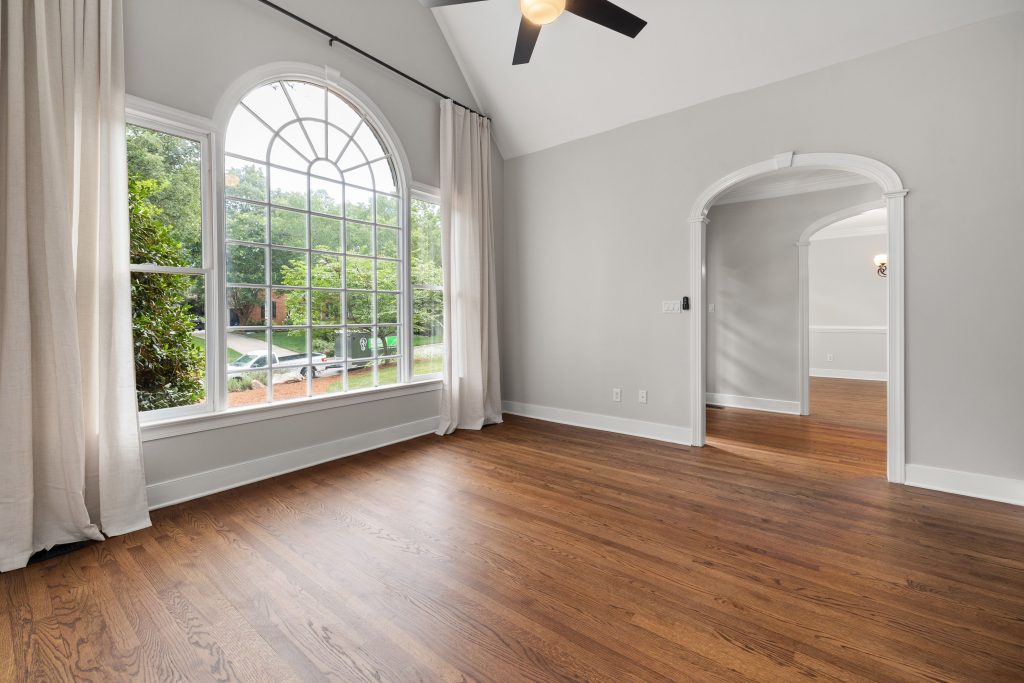
1. Solid-Core, Certified Hardwood & Traditional Joinery
- Why it matters: Fast furniture relies heavily on composite woods like medium-density fiberboard (MDF) or particleboard bound with formaldehyde-laden glues, which off-gas volatile organic compounds (VOCs) and disintegrate when moved or exposed to moisture.
- The investment: Solid American or European hardwoods (such as white oak, walnut, or maple) certified by the Forest Stewardship Council (FSC). Look for mortise-and-tenon or dovetail joints instead of staples and adhesives. A solid dining table or credenza can be sanded, refinished, and repaired across generations.
2. Natural-Core Upholstery and Structural Frames
- Why it matters: The bulk of modern upholstered seating is built on petroleum derivatives: polyurethane foam wrapped around kiln-dried plywood and covered with synthetic batting. Beyond microplastic shedding, foam degrades within 7–10 years, sending massive bulk straight to landfill.
- The investment: Kiln-dried, solid-hardwood frames paired with organic latex, curled horsehair, coconut coir, or pure wool batting, tied with eight-way hand-tied steel springs. These materials maintain elasticity, allow reupholstering rather than replacement, and keep synthetic petroleum products out of domestic living areas.
3. Pure Architectural Textiles (Linen, Wool, Silk)
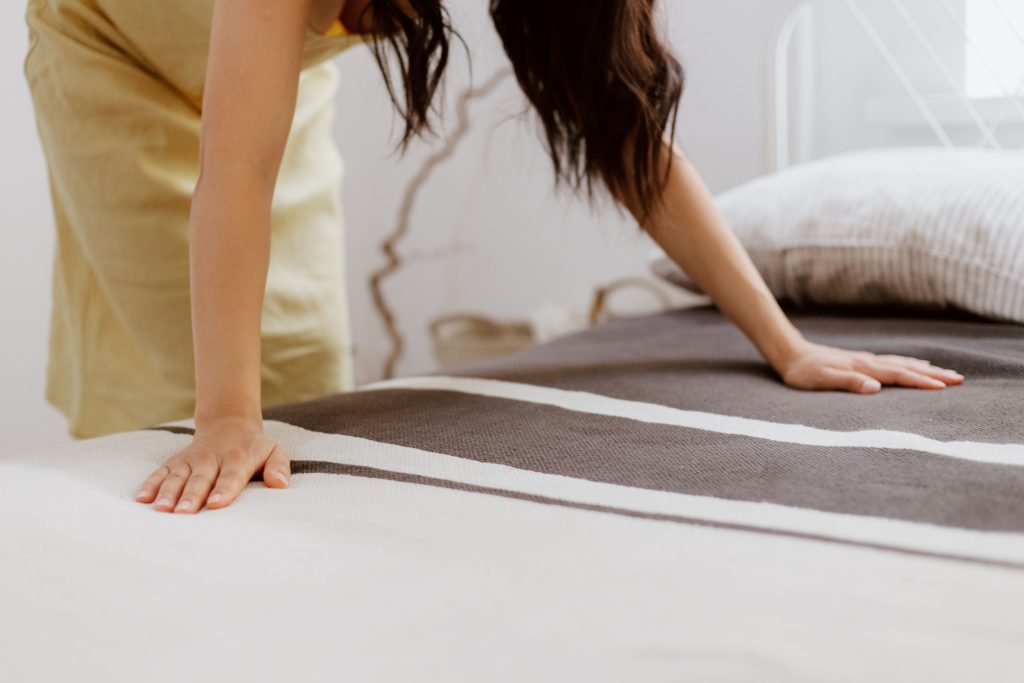
- Why it matters: Textiles represent substantial surface area in any home via drapery, rugs, and upholstery. Blended fabrics (e.g., poly-linen or nylon-velvet blends) resist recycling because separated natural and synthetic fibers cannot be easily re-spun.
- The investment: 100% Belgian or French linen, GOTS-certified organic cotton, and undyed high-twist virgin wool. High-grade wool rugs retain natural lanolin, making them naturally flame-retardant and inherently stain-resistant without requiring per- and polyfluoroalkyl substance (PFAS) chemical coatings.
What’s Often Overpriced Hype
Marketing teams know that “natural” cues trigger immediate positive associations. These common design claims frequently mask low-impact or performative updates.
- “Plant-Based” or “Vegan” Faux Leathers: Often billed as ethical upgrades to animal hides, the majority of commercially available vegan leathers (such as pleather, polyurethane, or vinyl-backed alternatives) remain fossil-fuel plastics. They peel within a few years and cannot be conditioned or repaired. High-grade, vegetable-tanned leather from traceable agricultural byproducts remains structurally superior and biodegradable over time.
- The “Recycled Ocean Plastic” Accent Piece: High-end brands frequently release limited-edition plastic stools or decorative objects sourced from ocean-bound waste. While innovative in materials science, these pieces are often symbolic, low-utility novelties priced at a steep premium while the brand’s core product line continues using virgin synthetics.
- Vague “Conscious” and “Artisanal” Labels Without Certification: Without documentation verifying fair labor practices, low-VOC finishes (such as Greenguard Gold), or specific timber origins, descriptors like “handcrafted,” “raw,” or “earth-friendly” are simply decorative language designed to justify a higher markup.
Evaluating Sustainable Furniture: Value vs. Marketing
| Feature | Genuine Conscious Luxury | Marketing Hype / Greenwashing |
| Woodwork | FSC-certified solid timber; traditional physical joinery | Veneer over particleboard labeled “made from renewable wood fibers” |
| Cushion Core | Natural latex, wool batting, down, or organic horsehair | Polyurethane foam wrapped in a thin layer of recycled polyester |
| Finishes & Paints | Zero-VOC, mineral-based paints and natural plant-oil wood waxes | “Low-odor” standard latex paints with unverified off-gassing rates |
| Longevity Model | Designed for disassembly, repair, and future reupholstery | Glued assemblies intended for single-cycle disposal |
These design videos offer practical walkthroughs for evaluating furniture construction and sourcing durable vintage pieces:
The Ultimate Sustainable Choice: Archival & Vintage Pieces
The most ecological piece of furniture is the one that already exists. Antique and mid-century design pieces have already amortized their embodied carbon and material extraction.
Sourcing through vintage dealers, architectural salvage yards, and secondary design auctions yields wood densities and craft benchmarks that are often cost-prohibitive to reproduce today. Layering authentic archival furniture with carefully vetted contemporary staples creates a home defined by narrative, historical depth, and genuine responsibility.