
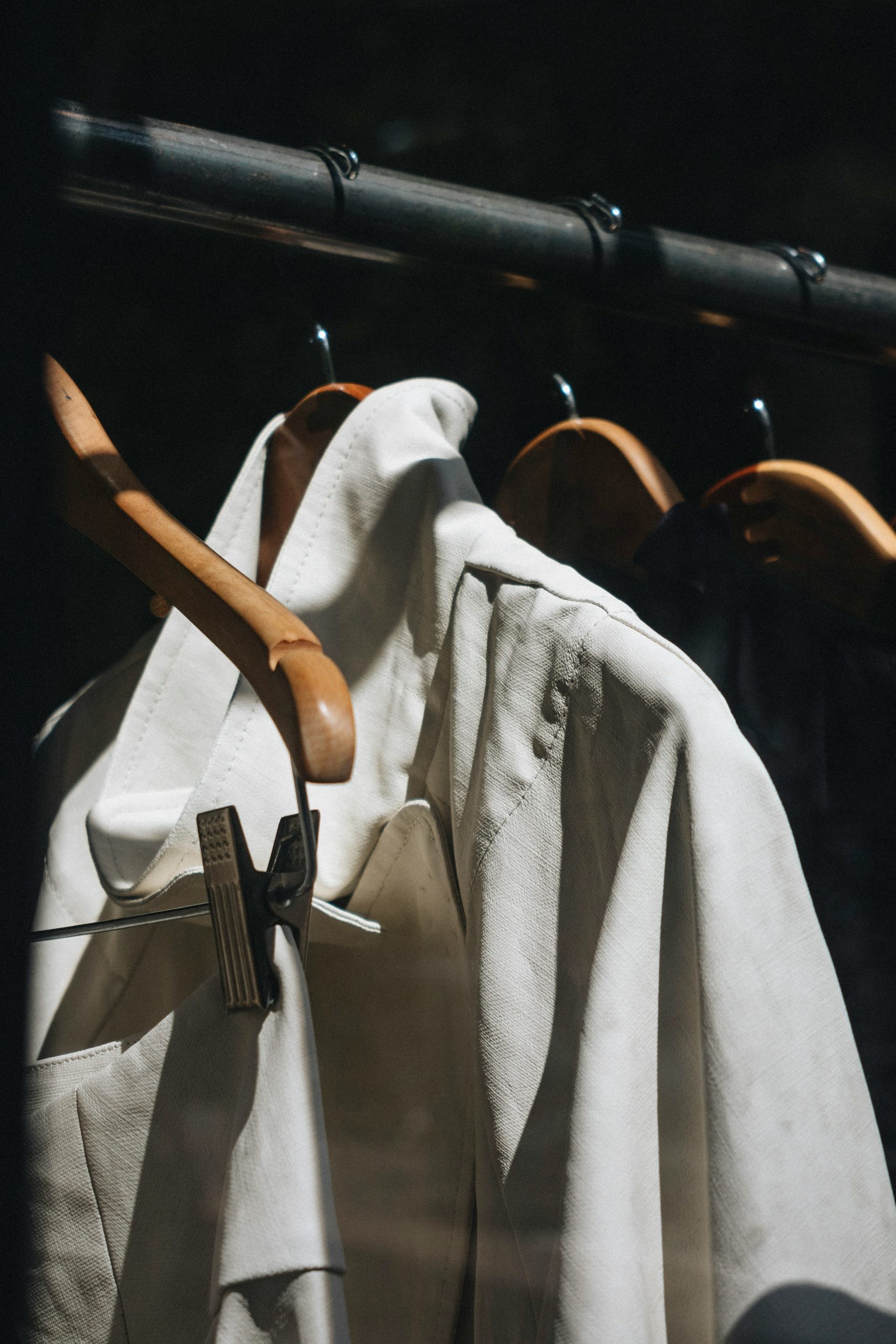
Building a “Less but Better” luxury wardrobe relies on industrial designer Dieter Rams’ core philosophy: Weniger, aber besser (Less, but better). In high-end fashion, this translates to shifting away from volume or logo-driven pieces toward intentional curation, exceptional raw materials, precise tailoring, and high cost-per-wear value.
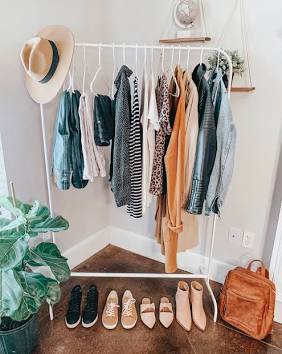
1.Establish Your Core Uniform:
Define the silhouette and color palette that fits your actual lifestyle.
Before purchasing new pieces, analyze what you wear 80% of the time. Choose a cohesive color base (e.g., navy, charcoal, cream, black, or earth tones) that allows almost every top to pair seamlessly with every bottom.
2.Audit and Clear Out the Noise:
Remove items that do not meet your quality threshold.
Remove low-quality synthetic blends, uncomfortable fits, or trendy impulse buys. Keep only garments that fit impeccably, feel comfortable against the skin, and align with your core aesthetic.
3.Prioritize Exceptional Natural Materials:
Focus on tactile durability and provenance.
True luxury is defined by material excellence rather than brand placement. Invest in long-staple cotton, heavy-gauge cashmere, mulberry silk, full-grain leather, and high-weight virgin wool or linen.
4.Acquire the Fundamental Anchors:
Build around versatile, timeless core pieces.
Focus on essential foundation garments before looking at seasonal accents:
- Tailored Outerwear: A classic wool coat, trench coat, or structured blazer.
- Refined Knitwear: Medium- or heavy-weight cashmere and fine merino wool crewnecks or turtlenecks.
- Foundation Tops: Crisp poplin shirts, pure silk blouses, or heavy-gauge cotton tees.
- Tailored Trousers & Denim: Dark-wash or raw denim and structured wool or linen trousers.
- Quality Footwear: Goodyear-welted dress shoes, hand-stitched leather boots, or low-profile leather sneakers.
5.Tailor Everything to Fit:
Elevate garments through precise alteration.
Off-the-rack luxury rarely fits perfectly. Budget for professional alterations—adjusting sleeve lengths, trouser breaks, and waistlines turns good garments into personal staples.
Key Evaluation Criteria: Luxury Quality Checklist
When evaluating potential purchases, use these markers to identify long-lasting craftsmanship:
| Element | High Quality Indicator | Low Quality Red Flag |
| Fabrics | 100% natural fibers (cashmere, silk, wool, linen) | High synthetic percentage (polyester, acrylic blends) |
| Seams & Stitching | Tight, uniform stitching; clean finished interior seams | Loose threads, puckered seams, unlined interiors |
| Hardware | Solid brass or mother-of-pearl buttons; heavy zippers | Lightweight plastic or plated hardware prone to chipping |
| Structure | Full-canvas or half-canvas suit jackets and coats | Fused/glued interlinings that bubble after dry cleaning |